Ha!
I don’t know how I feel about design education—I honestly don’t know very much about it. The one thing I do know though, is that kids matriculating through undergraduate design programs need to be better prepared intellectually. Not nearly enough attention has been brought to the question of the basic literacy of our young designers. It is vital, especially if a designer wants to work in publishing, but also vital in general, that students be taught the fundamentals of reading and writing. Not to mention that designers should be able to express themselves verbally. If I were in charge of an undergraduate design program, there would be literature classes, science classes, logic and rhetoric classes…it would be a much less fun school to attend, granted.
— Peter Mendelsund, on BBIC
TickTock
→
August 6, 2019 |
Reading time: ~1 minute | Permalink
The heart doesn’t say tick-tock.
In truth, the heart says very little.
Lub-dub in the textbook,
dhak-dhak in the poet’s aphorism,
But mostly it’s quiet.
I count beats only when they are missing,
but mostly I try to notice
even though I’m listening,
all the time.
— Saranya Manivannan (Introduction to Preeti Vangani’s The Other Side of Loneliness)
Cold/Drops
→
July 27, 2019 |
Reading time: ~1 minute | Permalink

Halfway through another pointless (?) upgrade cycle.
Candy
→
July 19, 2019 |
Reading time: ~1 minute | Permalink

OohMehBoo
→
July 3, 2019 |
Reading time: ~1 minute | Permalink
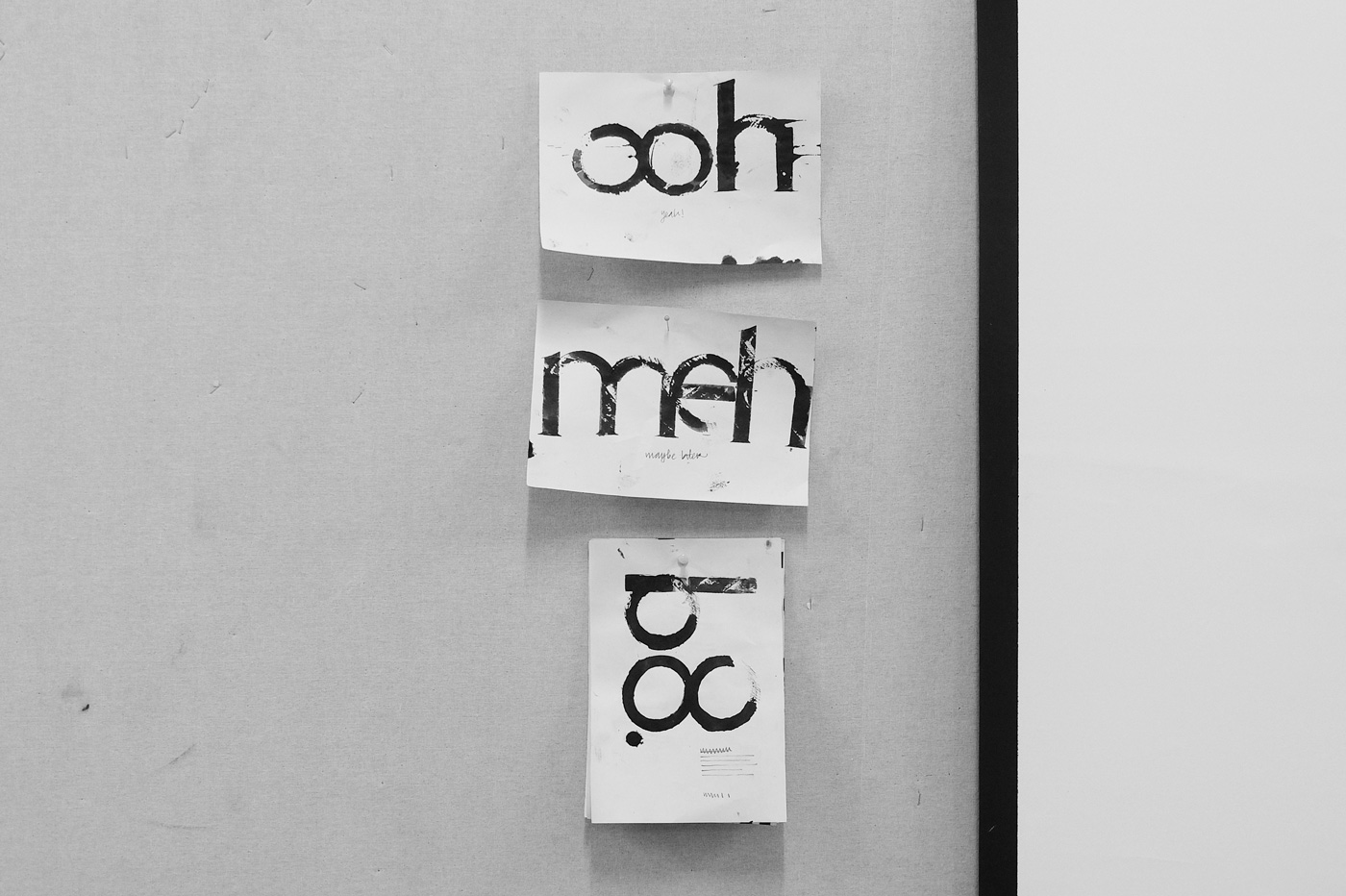
Having an approximation of fun (literally) at the class’s expense, during the T2 course, NID-Av.
The Illumination of Choice
→
July 2, 2019 |
Reading time: ~1 minute | Permalink
Most people choose their commuting method by default—they use a car because everyone else does where they live, or they use a train or bus because that’s what’s available to them. Cyclists on the other hand tend to commute by bicycle because we enjoy it, which means we’re already predisposed to becoming benevolent commuters since we already understand the potential for our commute to bring us happiness.
— Eben Weiss, The Enlightened Cyclist
Flock
→
June 25, 2019 |
Reading time: ~1 minute | Permalink
Powers of X: Infinite Grace
→
June 22, 2019 |
Reading time: ~1 minute | Permalink
കുഞ്ഞുണ്ണിയെ തനിയെ വിട്ടുകൊണ്ട് നിർമ്മലാനന്ദൻ ആശ്രമത്തിലേയ്ക്കു നടന്നു. കാട്ടുചെടികളുടെ മേൽ കുഞ്ഞുണ്ണി കുനിഞ്ഞു. അവ തങ്ങളുടെ കടയ്ക്കൽ വളർന്ന പുല്ലുകളിലേയ്ക്കു ചൂണ്ടിക്കാട്ടി. പുല്ലുകൾ തങ്ങളുടെ കടയ്ക്കലേയ്ക്കു ചൂണ്ടിക്കാട്ടി. അവിടെ അവിശ്രമം പാഞ്ഞു നടന്ന ചെറുചാതികളെ കുഞ്ഞുണ്ണി കണ്ടു. ജ്വലിക്കുന്ന നിറങ്ങൾ, ശില്പ സങ്കീർണതയാർന്ന കൊമ്പും കിരീടവും. ഇവരെവിടെ പോകുന്നു? അവസാനിയ്ക്കാത്ത യാത്ര. പുറംതോടിന്റെ ഭാരങ്ങൾ. പുല്ലിന്റെ ഉപനിഷത്ത് ഏറ്റുവാങ്ങാനായി കുഞ്ഞുണ്ണി മണ്ണിലിരുന്നു. യാത്രയല്ല, പ്രാണഭയമിയന്ന പലായനമാണ്; ചാതികൾ ഒന്ന് മറ്റൊന്നിനെ നായാടുകയാണ്. മുക്തിധാമിന്റെ അശാന്തി! കുഞ്ഞുണ്ണിയുടെ മുമ്പിൽ പുൽക്കടയ്ക്കലെ യുദ്ധം ഒരപാരദൃശ്യമായി. സഞ്ജയാ, കുഞ്ഞുണ്ണി പറഞ്ഞു, അങ്ങ് ഒരന്ധന് കാണിച്ചു കൊടുത്ത യുദ്ധത്തിന്റെ ചിത്രം ഇതിന്റെ മുമ്പിൽ തുച്ഛമായിത്തീരുന്നല്ലോ. ഇപ്പോൾ കുഞ്ഞുണ്ണി ആ ചെറുചാതികളിലൊന്നിനകത്തേയ്ക്കു നോക്കി, അതിന്റെ ജൈവസ്ഥലങ്ങളിൽ കറങ്ങിത്തിരിയുന്ന എണ്ണമറ്റ സൗരമണ്ഡലങ്ങളെ കുഞ്ഞുണ്ണി കണ്ടു. ചാതിയുടെ ചോരയ്ക്കകത്ത് അതിന്റെ പുഴയോരങ്ങളിലിരുന്നുകൊണ്ട്, വരാഹമിഹിരന്മാർ ആ സൗരമണ്ഡലങ്ങളുടെ ഗതികൾ ഗണിച്ച് ഏതോ പരമാണു ഗോത്രങ്ങളുടെ ജാതകങ്ങളെഴുതി.
— OV Vijayan, Gurusagaram (The Infinity of Grace)
An Education
→
June 18, 2019 |
Reading time: 3 minutes | Permalink
In one’s own garden one has, in the end, only oneself to satisfy. I have had to remember that I have been making other people’s gardens and that the garden must be theirs. People’s wishes and hopes and requirements are contributory factors just like a clay soil, an oak wood, or lack of water. Where I have worked well the garden will be content to be itself and bear no obvious label.
To go a stage further; where does style start? Style for the garden designer means to assemble all the physical elements of a garden scene, to blend them into a coherent whole and to imbue this whole with all the intensity or, perhaps I should say “intelligence” that he can muster, so that the whole may have a quality peculiar to itself. Such style must be contemporary since, if a composition has style, it must reflect its maker’s intention and its maker is necessarily of his own day, even though he may have chosen to give his garden an idiom derived from another place or another century. Here I would like to differentiate between real style and the eclectic use of a style borrowed from another period or another place. This will be a reflected mannerism deliberately imposed: a kind of design, a way of planting, selection of material, which belongs to that period or a place.
[…]
The tensions of modern life and an entire change in our ideas of scale and of speed have made physical tranquillity a luxury. Repose has become a rarity; we may well begin to accumulate and arrange the attributes of rest like stamps or sculpture. The idea of rest seems to be found increasingly in a no man’s land between house and garden. More and more the idea “garden” invades the house, or the house roof spreads out to include the garden.
— Russell Page, The Education of A Gardener
From the two-dimensions of a roughly sketched pencil-on-paper plan to the three- and four-dimensions of plants growing over time, gardening—perhaps too easily—parallels the practice of design (more in a wrote-an-entrance-exam-to-get-into-an-expensive-education-of sense than the scheme-of-things-that-could-be sense). Yet, I am pleasantly surprised to find such fundamental application-level (fun words, put together, those) wisdom so early into the book. Then again, these are—perhaps—not answers, but—in the spirit of the book—seeds for the answers to sprout forth in time. The parallelism has gone too far. (Risky, pointless click. Don’t.) Then again, “Narcotics, like gardening, is a dirty business.” Not sorry. Non sequiturs.
If—on the off-chance—you were hungry for more unfuunny-slash-forced connections, the quote quoted is gardened; one more sentence at either end and it starts to dull like an overgrown patch of grass in an unkempt zen garden.
This above reminds me of the opening chapter from Way back to Nature where Fukuoka discusses the idea of conducting a symphony as a parallel to farming and keeps it aside.